









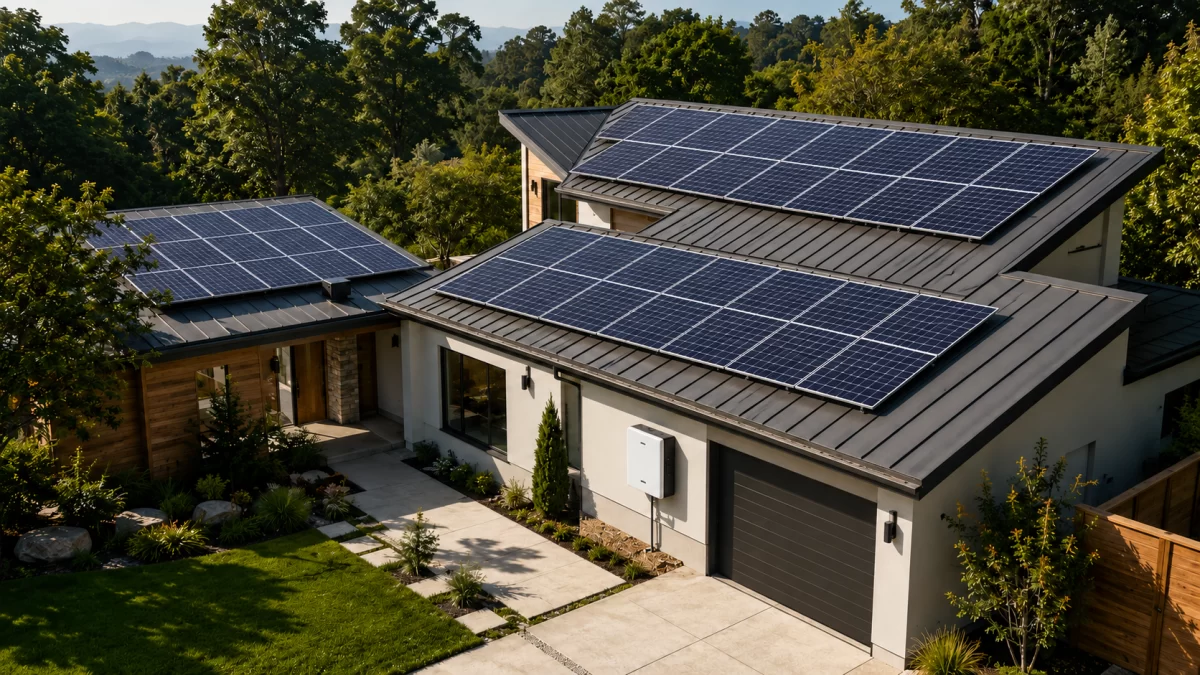
The best solar inverter is the one that fits your roof, your power use, and your next upgrade. If you are comparing a micro or string inverter with a hybrid inverter, the key question is simple: are you building a solar-only system, installing solar and battery together, or planning to add a compatible battery later.
A microinverter solar can be the right choice for a shaded or complex roof. A string inverter may be the best choice for simple roofs with little shaded area. A hybrid inverter can be the better choice for a new solar-plus-battery system.
How Long Do Solar Inverters Last?
String and hybrid inverters commonly last around 10 to 15 years, while microinverters often have longer lifespan, due to smaller power per unit and distributed heat. EnergySage’s 2026 inverter comparison lists 25-year warranty coverage for some microinverter models, while several hybrid or string inverter products carry shorter standard warranties.
Main Types of Solar Inverters for Home Use
Lasting longer doesn’t mean that microinverters are always the best choice. String inverters are a cost-effective choice for simple, largely unshaded roofs, although adding a battery later depends on the system design. Microinverters suit shaded or complex roofs and provide panel-level monitoring, typically pairing with AC-coupled batteries. Hybrid inverters are ideal for new solar-and-battery systems or planned storage upgrades because they manage both solar generation and battery operation in one unit.
| Inverter Type | Best Fit | Battery Storage Note |
|---|---|---|
| String inverter | Simple roofs with little shade | Can be paired with an AC-coupled battery system. |
| Microinverter | Shaded roofs, mixed panel angles, panel-level monitoring | Can be paired with an AC-coupled battery system. |
| Hybrid inverter | New solar-plus-battery systems or planned storage upgrades | Combines solar conversion and battery control in one system |
If you want a deeper technical view of hybrid inverter behavior, ESYsunhome explains how a hybrid inverter routes power between solar, battery, home, grid, and backup loads.
How to Choose the Best Solar Inverter
Match the Inverter With Your Roof Layout
Start with the roof, not the brand name. A simple south-facing roof with little shade may not need microinverters. A roof with shade, different tilt angles, or panels spread across several surfaces may be a good fit for a microinversor solar or optimizer system.
Check Efficiency, Warranty, and Monitoring
Efficiency is important, but do not shop by efficiency alone. A difference of one or two percentage points may matter less than service quality, heat management, warranty terms, and monitoring. A strong app helps homeowners spot poor production early instead of waiting for a high electric bill.
Consider Installation Environment
Heat is rough on electronics. If the inverter is wall-mounted, choose a shaded, ventilated, protected location. If the system uses roof-level electronics, make sure the products are rated for the local temperature range and installed according to the manual.
Match the Inverter With Your Future Energy Plan
This is where we spend the most time with homeowners. If you may add batteries, EV charging, or backup power later, choose an inverter path that keeps those options open. A solar-only system may look cheaper today but cost more to upgrade later.
For battery planning, ESY SUNHOME’s guide on what changes when a solar-only home adds battery storage is a useful next step.
How to Add Battery Storage to an Existing Solar System
Option 1: AC-Coupled BESS
An AC-coupled BESS connects to the home’s AC side. This is often the cleanest option for an existing solar system. In plain terms, your solar array keeps working, and the battery system joins the home electrical side. This can reduce roof work and avoid replacing every inverter. It is often the best path when the solar system is newer, working well, and already approved by the utility.
A proper BESS is more than a battery box. It includes cells, power conversion, monitoring, controls, and safety systems. ESYsunhome breaks down how a battery energy storage system charges, holds, and discharges energy in normal home use and backup conditions.
Option 2: Remove the PV Inverter and Replace It With a Hybrid Inverter
The second route is to remove the old PV inverter and replace it with a hybrid inverter. This makes more sense when the old inverter is near the end of its life, the solar design is simple, or the homeowner wants one integrated solar-plus-battery system.
A hybrid inverter can reduce the number of separate devices. It can also simplify power flow between solar panels, battery, home loads, and grid. But it may require more rewiring, utility approval, and installer time. If your existing solar system uses microinverters on each panel, replacing them may not be worth it unless the whole system needs a major redesign.
Which Battery Upgrade Path Should You Choose?
- Keep the solar inverter and add AC-coupled BESS if the current solar system works well.
- Choose a hybrid inverter if you are building new solar with battery storage from day one.
- Replace the old inverter if it is aging, undersized, unsupported, or not battery-ready.
ESYsunhome’s both AC- and DC-Coupled Solution
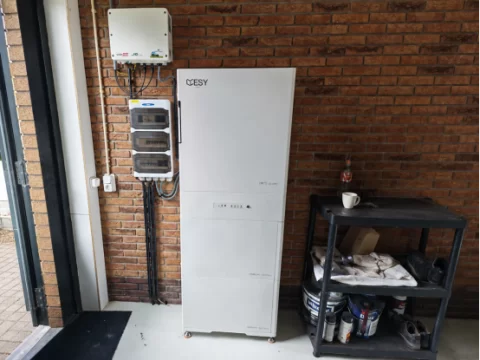
ESYsunhome’s Smart Port gives homeowners the flexibility to combine both AC-coupled or DC-coupled system configuration. For homes with an existing solar system, smart port allows the ESYsunhome energy storage system to connect with a compatible third-party solar inverter through AC coupling. This makes it possible to add battery storage without replacing a well-functioning PV inverter. For new installations, solar panels can connect directly to the ESYsunhome hybrid inverter through DC coupling, creating a more integrated solar-and-battery system. This flexibility allows homeowners to choose the configuration that best fits their current solar setup and future energy plans.
Signs Your Solar Inverter May Need Replacement
- The app shows repeated inverter faults.
- Production drops suddenly without a weather reason.
- The unit is out of warranty and replacement parts are hard to find.
- You want battery storage, but the old inverter cannot support a clean upgrade.
If the inverter is more than 10 years old, compare the cost of repair with replacement before making a decision. Replacement may be more economical when faults are recurring or when upgrading to a DC-coupled battery system.
How to Extend Solar Inverter Lifespan
Choose a Protected Installation Location
Wall-mounted inverters should be kept out of direct sun when possible. A shaded, ventilated location helps reduce heat stress. Outdoor-rated equipment still needs smart placement.
Monitor Performance Regularly
Check the app at least once a month. You do not need to study every number. Just look for sudden drops, offline devices, strange alerts, or production that no longer matches the season.
Keep the System Compatible With Future Upgrades
Firmware updates, installer documentation, and communication settings matter. If a battery, smart meter, or backup gateway is added later, the inverter and control system must speak the same language.
FAQs
1. How long does a home solar inverter usually last?
String and hybrid inverters commonly have an expected service life of around 10 to 15 years, depending on product quality, operating temperature and installation conditions. Microinverters often carry warranties of up to 25 years, although warranty length does not guarantee actual operating life.
2. Which inverter type is best for a home solar system?
A string inverter is generally suitable for a simple, largely unshaded roof. Microinverters are useful for roofs with shading, different orientations or a need for panel-level monitoring. A hybrid inverter is often the best option when solar panels and battery storage are being installed together.
3. Can battery storage be added to string- and microinverter systems?
Yes. Both standard string-inverter and microinverter systems can generally be paired with an AC-coupled battery system.
4. Must an existing solar inverter be replaced when adding a battery?
Not necessarily. If the existing solar system is working well, adding an AC-coupled battery may allow the inverter to remain in place. Replacing it with a hybrid inverter may make more sense when the existing inverter is aging, unsupported or when the homeowner prefers an integrated DC-coupled solar-and-battery system.
5. When should a solar inverter be replaced?
Replacement may be appropriate when the inverter repeatedly reports faults, production falls unexpectedly, overheating causes frequent shutdowns, or replacement parts and technical support are no longer available. A qualified installer should first confirm that the problem comes from the inverter rather than the panels, wiring, grid connection or monitoring system